
Importance Of Natural Light In Home Architecture And How To Maximize It
Know The Importance Of Natural Light In Architectural Design
Charles-Édouard Jeanneret, known as Le Corbusier, a famous pioneering Swiss-French architect, designer, painter, urban planner and writer, is said to have quoted regarding modern home architecture, emphasizing the importance of natural light in creating harmonious and functional living spaces.
“Architecture is the learned game, correct and magnificent, of forms assembled in the light.”
Factoring the role of light in architectural design, it is the natural light that takes the spotlight. Natural light is the light that comes from the sun; usually called daylight. Depending on the time of the day, weather and geographical location, natural light can have variations of colour, direction and intensity. Light also can improve mood, get better visibility and minimize artificial lighting needs. For a sustainable future, this has to be understood by architects.

Daylighting
Solar Orientation


Light Shelves
Reflective Surfaces
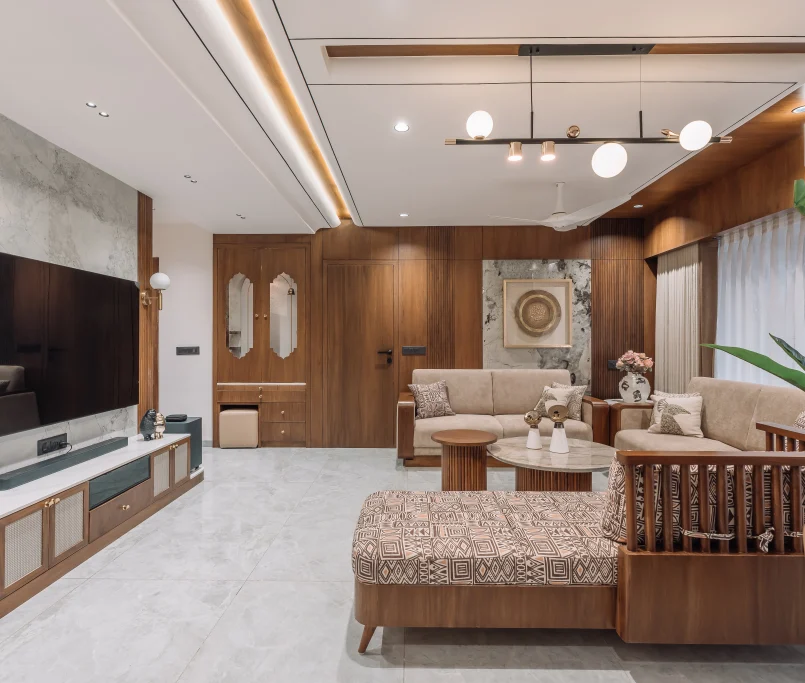
Usage of reflectance materials that amplify reflection such as light-coloured paints or textural materials on surfaces such as tiles or laminates can help reflect the natural light into the deep inner spaces.
Shades
Design of Interiors
Artificial controls

“Light is the magical ingredient that makes or breaks a space.”
Nothing can be more truer than this! Art like architecture also uses the play of light to show moods, time of day and colours in paintings, sculptures and performances. We have a lot to work on harnessing this amazing energy resource to our advantage. As architects and interior designers, we have a great need to push this concept of light ahead into making smart buildings the norm of living.